Singapore Asia Watercolor: A Designer’s Honest Take for Real Embroidery Use
First Glance: What This Design Brings to the Table
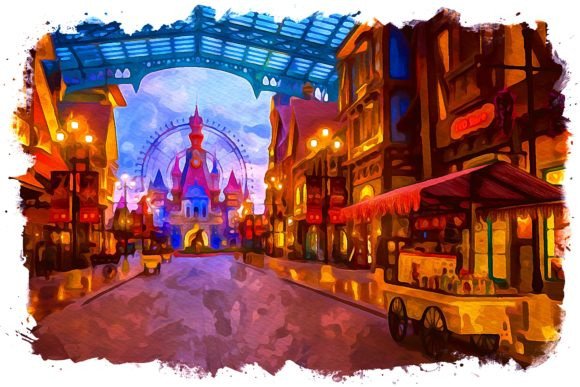
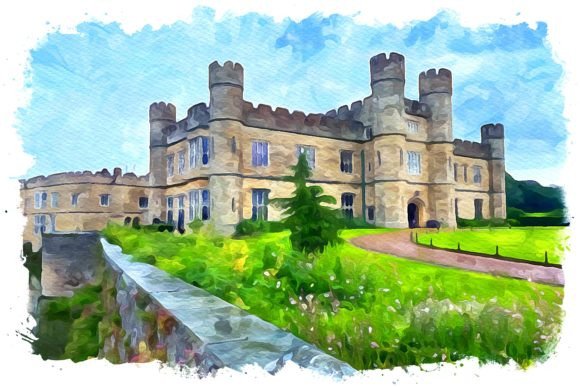
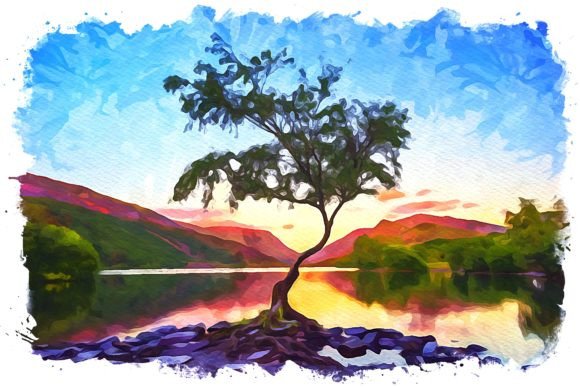
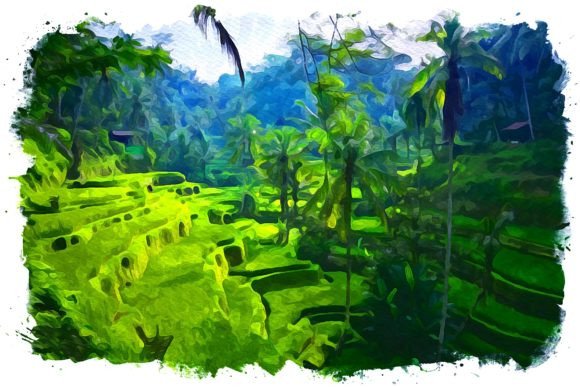
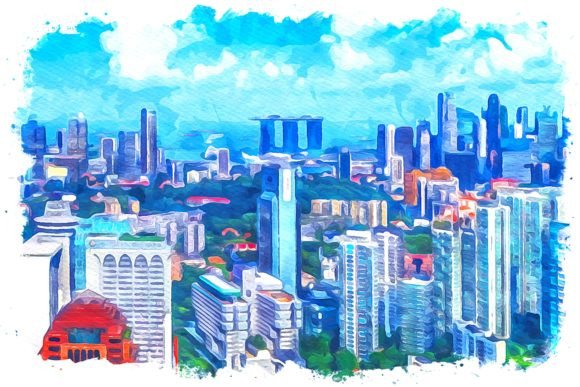
Opening the Singapore Asia Watercolor design file, I immediately got a sense of soft travel nostalgia. The watercolor brushstrokes and muted tones evoke a painterly, artistic feel—perfect for boutique-style embroidery. The layout is balanced but not rigid, with a central motif that feels like a postcard from Southeast Asia. It’s got a gentle, hand-painted charm that’s hard to replicate with standard vector designs.
This isn’t a bold, in-your-face design. It’s subtle, almost poetic. That makes it ideal for projects where understated elegance is the goal—think custom tote bags for a local artisan shop, embroidered nursery pillows, or personalized baby gifts where softness matters both visually and physically.
Real-Life Use: How It Performs Beyond the Preview
When I tested the Singapore Asia Watercolor design on a cotton tote bag, the first thing I noticed was how the color transitions held up in thread. Watercolor effects can be tricky in embroidery because thread doesn’t blend the way paint does, but this design uses smart layering and spacing to mimic that soft fade. It worked better than I expected.
- On apparel: Applied to a sweatshirt, the design maintained its artistic mood without looking washed out. Great for boutique branding or personalized gifts.
- For baby items: On a muslin baby blanket, the colors softened even more, giving it a dreamy, storybook quality.
- As a patch: When stitched onto a felt background and turned into a sew-on patch, it kept its integrity and became a charming accessory for backpacks or denim jackets.
It also scaled well for larger hoop sizes, which is a big plus. If you're an Etsy seller or small shop owner, that flexibility can help you offer multiple product variations—from tea towels to oversized pillows—without needing separate designs.
Where to Be Careful: Practical Limitations to Watch For
Despite its charm, Singapore Asia Watercolor isn’t a one-size-fits-all solution. It has a few quirks that require attention, especially for designers who want consistent results across different materials.
- Small hoop sizes: This design loses a lot of its nuance when scaled down. Details in the brushstrokes get lost, especially around the edges.
- Dark fabric backgrounds: The lighter tones of the watercolor don’t pop as well on black or navy. You may need to add a backing layer or adjust thread colors.
- Stretchy fabrics: Tested on a cotton jersey sweatshirt, some of the soft edges distorted slightly. A good stabilizer helps, but keep expectations realistic.
- Curved surfaces: Tried it on a baseball cap—some of the finer details flattened out, making the design feel less dynamic.
Also, if your project involves frequent washing (like baby clothes or kitchen towels), check the stitch density. This design leans more artistic than rugged, so durability might be a concern in high-use items unless reinforced.
Visual Impact and Customer Appeal
From a design perspective, Singapore Asia Watercolor adds a layer of sophistication to any product. It’s not the kind of design that shouts at the customer—it invites them in. That’s a big deal for small business owners trying to build brand recognition through unique, handcrafted items.
I used it on a custom embroidered pillow cover for a client’s home decor line, and their feedback was positive: “It feels like a piece of art, not just a pillow.” That’s the kind of emotional connection this design can help create.
For Etsy sellers and digital product creators, it’s a strong asset for printable mockups. The watercolor aesthetic photographs well and translates nicely into digital previews. It also gives your product a story—ideal for branding around travel, artistry, or cultural themes.
Designer Notes: What to Test Before Finalizing
Before using Singapore Asia Watercolor in a client project or product line, here are a few checks I made sure to run:
- Test on scrap fabric: Especially important with textured or stretchy materials.
- Check thread color contrast: The design relies on subtle shifts, so choose thread shades carefully.
- Confirm hoop size compatibility: Don’t assume it fits your machine—verify before stitching.
- Inspect small details: Zoom in on corners and fine lines to ensure they stitch cleanly.
- Try black and white versions: Surprisingly, it still holds up, giving you a minimalist alternative.
- Compare light and dark backgrounds: Helps you decide if color adjustments are needed.
- Use proper stabilizer: Medium-weight tear-away worked best for me on cotton and linen.
- Review licensing: Always confirm whether you can sell finished items or digital embroidery files that include this design.
Final Thoughts: A Thoughtful Addition to Your Embroidery Library
Singapore Asia Watercolor won’t replace your go-to bold monograms or crisp applique designs. But it fills a niche—soft, artistic embroidery that adds personality to your handmade or personalized products. Whether you're creating a custom tote bag, a boutique sweatshirt, or a curated Etsy listing, this design brings something unique to the table.
Just be mindful of where and how you use it. It’s best suited for projects that value aesthetics over durability, and for clients who appreciate a hand-painted, travel-inspired vibe. If that fits your brand or project vision, it’s definitely worth adding to your collection of digital embroidery files.