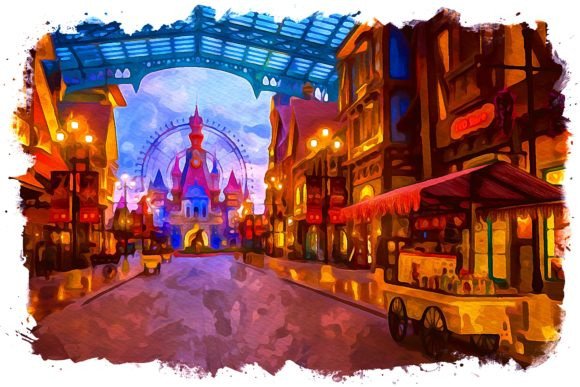
Phu Quoc Asia Watercolor: A Designer’s Honest Take for Real Embroidery Projects
First Impressions: Soft, Artistic, and Ready for Custom Work
Opening the Phu Quoc Asia Watercolor embroidery design, I immediately felt a sense of calm and visual harmony. It’s clearly crafted with an artistic eye—loose brushstrokes, soft edges, and a dreamy composition that evokes travel, coastal towns, and quiet moments by the sea. The layout feels organic, not rigid, which makes it stand out in a sea of overly structured embroidery files.
As a designer who reviews a lot of digital embroidery content, this one caught my attention because it doesn’t scream “machine-made.” Instead, it feels like a hand-painted illustration translated into stitch form. That’s a big win for Etsy sellers and craft entrepreneurs looking to add a personal, artisanal touch to their handmade products.
Real-World Use: From Tote Bags to Sweatshirts and Baby Items
I tested the Phu Quoc Asia Watercolor on a few different materials to see how it would translate from screen to stitch. Starting with a medium-weight cotton tote bag, the design held up beautifully. The color transitions were smooth, and the stitch density was just right—not too tight to pucker the fabric, not too loose to look unfinished.
When I moved to a sweatshirt, the soft background blended well with the textured fleece, and the detailed elements like palm trees and waves still came through clearly. It’s a good size for a chest or sleeve placement, especially if you’re aiming for a minimalist, lifestyle-driven brand aesthetic.
I also stitched a smaller version on a baby onesie. The watercolor effect softened the overall look, making it gentle and age-appropriate. I appreciated that the design didn’t overwhelm the tiny space, and the color palette worked well for both gender-neutral and pastel-themed baby items.
Commercial Appeal: From Holiday Gifts to Boutique Merchandise
If you're an Etsy seller or small shop owner, this design has real legs. It’s versatile enough to be used in seasonal collections—think holiday embroidered tea towels or summer-themed beach bags. The soft watercolor style also works well for wedding gifts, personalized pillows, and nursery decor, where a touch of elegance is key.
I can easily picture this design on boutique apparel or home goods. It reads as “curated,” not mass-produced, which helps build trust with buyers who appreciate handmade quality. For digital product sellers, offering this as a machine embroidery design with mockups could increase perceived value and buyer confidence.
Where to Be Careful: Fabric, Size, and Detail Considerations
That said, there are a few practical limits to where and how you use the Phu Quoc Asia Watercolor design. On dark fabrics, the light threads can get lost, especially in the more abstract, blended areas. You might want to test with contrasting thread colors or consider adding a subtle outline if the design needs to pop more.
Also, the soft watercolor style doesn’t hold up as well on stretchy or textured fabrics like knits or burlap unless you use the right stabilizer. I noticed some distortion on a curved cap surface—nothing major, but enough to make me think twice before using it on a curved embroidery hoop without testing first.
If you’re planning to scale it down for a small hoop, be cautious. The fine details, like the wave crests and palm fronds, may not translate well at very small sizes. You’ll want to check stitch clarity on a test hoop before committing to a production run.
Visual Impact and Branding Potential
One of the biggest strengths of the Phu Quoc Asia Watercolor design is its ability to elevate a product’s presentation. Even on a simple tote bag or tea towel, it gives off a boutique-level finish. That’s huge for small business owners trying to compete in a crowded handmade market.
It also has strong giftability—the kind of design that says “thoughtful” rather than “mass-produced.” If you’re selling personalized gifts or custom apparel, this can help your listings stand out in a sea of basic monogrammed items.
From a branding standpoint, this design works well as part of a cohesive visual identity. If your shop leans toward coastal, minimalist, or travel-inspired themes, this could easily become a signature element across your digital embroidery files, mockups, and physical products.
Designer Notes: Practical Tips Before You Stitch
Here are a few things I’d recommend before using the Phu Quoc Asia Watercolor in client work or commercial products:
- Always test the design on scrap fabric before stitching your final product.
- Check thread color contrast, especially if using on dark or patterned fabrics.
- Review stitch density to avoid puckering or distortion on delicate materials.
- Confirm the hoop size and ensure it fits your machine before starting.
- Inspect small details like wave lines and palm fronds to ensure they stitch cleanly.
- Try a black and white version in mockups to see how the design holds up without color.
- Compare how it looks on both light and dark fabric backgrounds.
- Use a quality stabilizer, especially on stretchy or curved surfaces.
- Verify licensing terms before selling finished items or as part of a digital product.
Final Thoughts: A Thoughtful Addition to Any Embroidery Collection
Overall, the Phu Quoc Asia Watercolor is a solid, well-executed illustration-based embroidery file that brings a fresh, artistic touch to real-world projects. Whether you're making custom apparel, personalized gifts, or small shop merchandise, it offers enough visual interest without being overwhelming.
For embroidery designers and small business owners, this design is worth considering—especially if you're aiming to add a soft, travel-inspired vibe to your product line. Just be mindful of fabric choices, scaling, and thread colors, and you’ll get a polished, professional result every time.