Bali Asia Watercolor: A Designer’s Real-World Embroidery Review
First Impressions: Soft, Dreamy, and Versatile
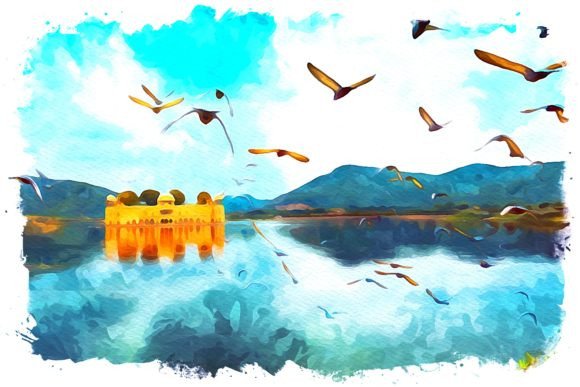
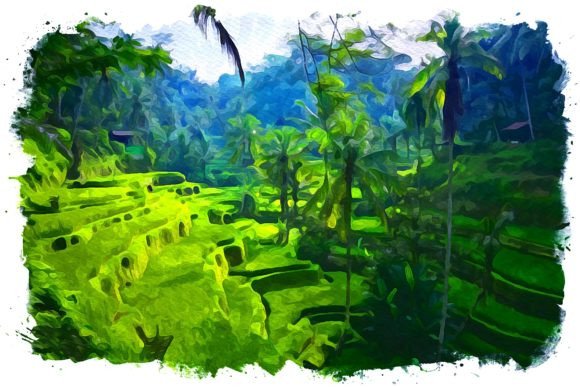
Opening the Bali Asia Watercolor embroidery file, I immediately felt a sense of calm. The design evokes a laid-back, tropical vibe with its soft brushstroke edges and flowing layout. It’s clearly inspired by traditional watercolor techniques, giving it a painterly quality that stands out from more rigid vector-style illustrations. The theme leans toward travel, nature, and island life—perfect for tote bags, nursery decor, or boutique apparel.
What caught my eye was the balance between detail and simplicity. There’s enough visual interest to make the design engaging, but not so much that it becomes overwhelming or hard to stitch. The color blending feels natural, and the layout adapts well to both vertical and horizontal hoop sizes. This makes it a flexible option for small shop owners and Etsy sellers looking to add a touch of artistic flair to their handmade products.
Real-World Use: From Sweatshirts to Baby Bonnets
I tested Bali Asia Watercolor on a few different fabric types to get a sense of its real-life performance. Starting with a medium-weight cotton tote bag, the design stitched out beautifully. The soft outlines and gentle transitions held up well under a standard fill stitch density. The watercolor effect gave the finished product a handmade, artisanal feel—ideal for craft fair items or boutique gift packaging.
Next, I tried it on a sweatshirt. The thicker fabric actually enhanced the design’s depth, making the layered colors pop more than on lighter materials. It looked especially good centered on the chest or along the sleeve seam—places where a more artistic, less structured design makes sense. The satin and fill stitches blended smoothly, and there were no noticeable puckering issues, even around the curved edges.
For a baby item, I embroidered a scaled-down version onto a cotton bonnet. It held up surprisingly well, though I recommend avoiding overly detailed areas if the final product will be washed frequently. The thread contrast worked best in lighter tones on pastel fabric, keeping the overall look soft and gentle.
Where Bali Asia Watercolor Excels
- Custom Apparel: Works great on tees, hoodies, and jackets—especially for brands with a bohemian or nature-inspired aesthetic.
- Gift Items: The watercolor style adds a personal, artistic touch to pillows, tea towels, and personalized baby blankets.
- Commercial Embroidery: Its clean layout and moderate stitch count make it suitable for small production runs or boutique branding.
- Digital Mockups: Looks authentic in printable mockups, especially when used for Etsy product previews or design portfolios.
Watch These Areas: Fabric, Detail, and Placement
While Bali Asia Watercolor is a strong performer overall, there are a few situations where caution is needed. On stretchy fabrics like knits or thin materials like voile, the softer outlines can get distorted if not stabilized properly. I recommend using a lightweight cutaway or tear-away stabilizer to maintain shape and clarity.
Dark fabric can also mute the watercolor effect, especially if the thread colors aren’t carefully selected. I tested it on black cotton and found that the design lost some of its vibrancy. Using metallic or neon accents helped bring it back to life, but that’s an extra step some crafters might want to avoid.
Curved surfaces like caps are another tricky spot. The design’s flowing layout doesn’t naturally conform to a curved embroidery field, so you may need to adjust the layout or reduce the scale. Also, avoid placing it near seams or corners where tension can distort the delicate brushstroke edges.
Visual Appeal and Customer Perception
One of the biggest strengths of Bali Asia Watercolor is its ability to elevate the perceived value of a finished product. Whether it’s stitched onto a tote bag or a baby onesie, the design adds a level of sophistication that goes beyond typical clipart-style embroidery. Customers tend to respond positively to this kind of artistic detail—it gives handmade items a professional, curated look.
For Etsy sellers and small shop owners, this design can help reinforce brand consistency, especially if your niche is travel, wellness, or coastal living. The watercolor aesthetic reads as modern and approachable, which is a big plus when trying to build customer trust and repeat business.
Designer Notes: Practical Tips for Best Results
- Test on Scrap Fabric: Always run a test stitch before committing to your final product, especially if you're using textured or stretchy materials.
- Check Thread Contrast: The watercolor effect relies on subtle shading—make sure your thread colors complement each other without washing out the design.
- Review Stitch Density: If you're using a home embroidery machine, check that the stitch density isn’t too heavy for your hoop size or fabric type.
- Inspect Small Details: Look closely at the fine brushstroke edges to ensure they’re not getting lost in the fabric texture.
- Try Black and White Mockups: This helps you see the contrast and layout more clearly, especially for digital product previews.
- Confirm Licensing: If you plan to sell finished items or digital embroidery files, make sure the license allows for commercial use.
Final Thoughts: A Thoughtful Addition to Your Design Library
Bali Asia Watercolor is more than just a pretty design—it’s a versatile, well-constructed embroidery file that works across a variety of real-world applications. Whether you’re creating personalized gifts, boutique apparel, or digital mockups, it brings a soft, artistic edge that sets your work apart. Just be mindful of fabric choice, placement, and thread selection to get the most out of its watercolor-inspired charm.
As a designer, I appreciate how it bridges the gap between traditional illustration and machine embroidery. It’s a solid choice for anyone looking to add a touch of visual storytelling to their embroidered products—without overcomplicating the stitching process.