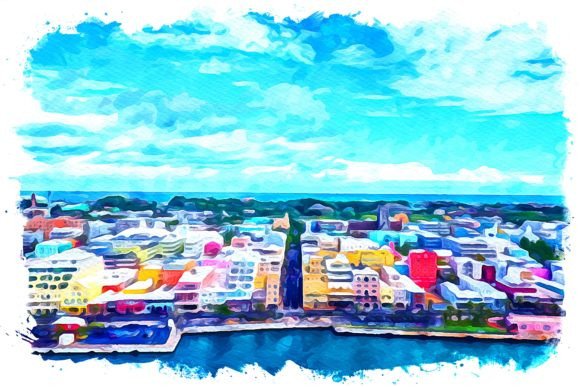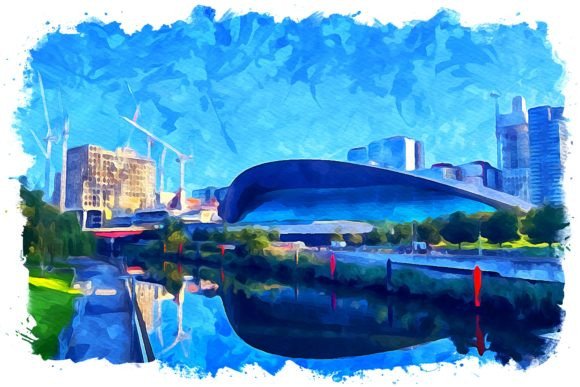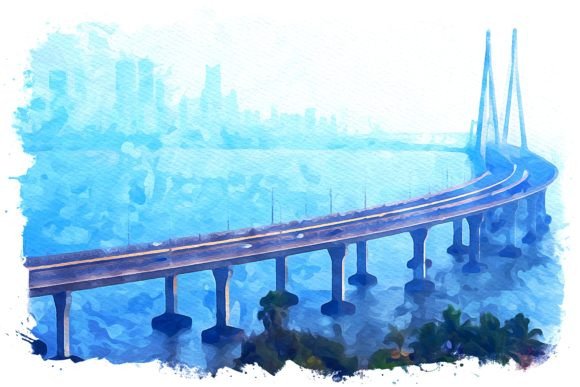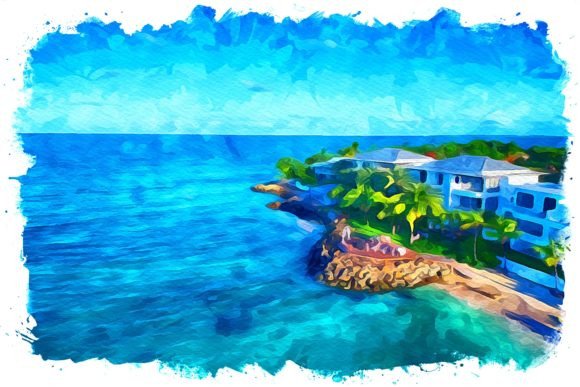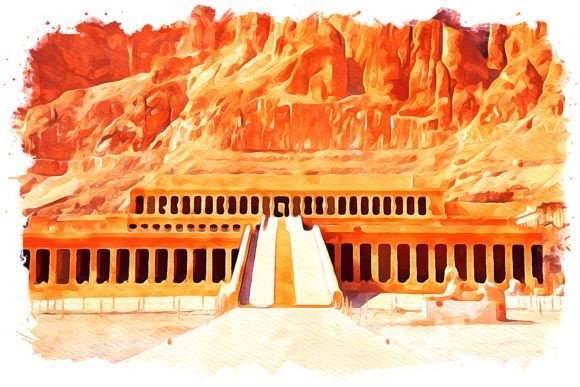
Luxor Africa Watercolor: A Bold Illustration for Editorial & Blog Design
First Impressions: Artistic, Cultural, and Visually Engaging
As a blog designer and digital publisher who works extensively with visual storytelling, my first reaction to Luxor Africa Watercolor was immediate: this is not a generic design asset. The hand-painted textures, warm tones, and cultural motifs instantly evoke a sense of place and narrative. It leans into an artistic, lifestyle-focused aesthetic that feels both modern and timeless. If your content revolves around travel, culture, interior design, or creative entrepreneurship, this illustration set could become a powerful part of your editorial toolkit.
Setting the Editorial Tone with Luxor Africa Watercolor
One of the most important roles of a design asset in content publishing is to set the right tone before the reader even begins reading. Luxor Africa Watercolor does this beautifully. It has a painterly quality that suggests authenticity, craftsmanship, and depth. This makes it especially effective for blog posts, newsletters, or digital guides that want to feel personal, immersive, or exploratory. It’s not flashy or trendy—it’s expressive and meaningful.
For bloggers in niches like travel, wellness, lifestyle, or artisanal crafts, this watercolor design can help reinforce the emotional context of your content. Readers will subconsciously associate the visual richness with quality writing and thoughtful curation.
Real-World Publishing Uses for Luxor Africa Watercolor
- Blog Featured Images: Works beautifully as a background or accent in article headers, especially for stories that blend personal narrative with cultural exploration.
- Pinterest Graphics: Its vibrant colors and organic shapes make it highly pin-worthy—ideal for Pinterest-driven traffic strategies.
- Email Newsletters: Use it as a header or divider to add visual interest and brand warmth to your newsletter design.
- Lead Magnets & Digital Guides: Perfect for downloadable content like travel guides, cultural journals, or printable planners.
- Social Media Visuals: Enhances Instagram stories, Facebook posts, or Twitter headers with a unique, non-stock aesthetic.
- Canva Templates: Integrates well into reusable templates for blog banners, affiliate content visuals, or course promo graphics.
How Luxor Africa Watercolor Elevates Content Performance
In the fast-paced world of content marketing, visual quality can be the difference between a scroll-past and a click-through. Luxor Africa Watercolor helps you stand out by offering:
- Stronger First Impressions: The unique texture and color palette immediately draw attention.
- Clearer Visual Hierarchy: Can be layered under text or used as a focal point to guide the reader’s eye.
- Better Click-Through Potential: Especially on Pinterest and social media where aesthetics heavily influence engagement.
- Consistent Branding: Helps build a cohesive visual identity across blog posts, guides, and email campaigns.
- Improved Reader Trust: Professional, handcrafted visuals signal care and credibility.
- Stronger Category Recognition: Ideal for bloggers who want to visually distinguish content pillars like travel, culture, or creative living.
Where Luxor Africa Watercolor Shines Brightest
This design asset performs best when used in the following publishing contexts:
- Hero Images: Especially for landing pages or category hubs that want to feel expressive and inviting.
- Article Thumbnails: Adds visual warmth and personality to blog post headers.
- Newsletter Headers: Makes your email design feel more curated and visually rich.
- Content Upgrades: Enhances downloadable printables, worksheets, or lead magnets with a professional touch.
- Social Media Previews: Stands out in feeds without being overwhelming or over-designed.
When to Use Luxor Africa Watercolor with Care
While Luxor Africa Watercolor is versatile, it’s not a one-size-fits-all solution. It may not be the best choice for:
- Small Mobile Thumbnails: Its intricate textures can get lost on tiny screens.
- Text-Heavy Blog Images: May interfere with readability if not layered carefully.
- Low-Contrast Backgrounds: Could reduce legibility when used behind headlines or callouts.
- Busy Layouts: Best used in moderation to avoid visual clutter.
- Corporate or Minimalist Sites: Doesn’t align with ultra-clean or ultra-professional aesthetics.
Publisher’s Checklist: Testing Luxor Africa Watercolor in Real Projects
Before fully integrating this illustration into your content workflow, I recommend running through the following practical checks:
- Preview on Desktop & Mobile: Ensure it scales well and retains clarity.
- Test as a Thumbnail: Check if it’s still compelling at smaller sizes.
- Place in a Real Blog Layout: See how it interacts with headers, body text, and sidebars.
- Layer with Headline Text: Confirm readability and visual balance.
- Check Contrast & Readability: Make sure it doesn’t overpower your content.
- Try in Black & White: See how it holds up in grayscale for accessibility or print use.
- Pair with Different Fonts: Test alongside serif, sans serif, script, and display fonts to find the best match.
- Review File Size: Optimize for web performance—large files can slow down your site.
- Verify Licensing: Always confirm that the design asset includes a commercial license, especially for affiliate marketing, monetized blogs, or paid digital products.
Final Thoughts: A Valuable Addition to Any Creative Publisher’s Toolkit
Luxor Africa Watercolor is more than just a pretty illustration—it’s a flexible graphic design asset that supports a wide range of content marketing and editorial needs. Whether you’re designing a blog post, crafting a newsletter, or creating a digital guide, this watercolor set brings a sense of authenticity and visual richness that can elevate your brand’s presence.
If you’re a blogger, content creator, or small business owner looking to add more personality and professionalism to your online content, this design asset is worth exploring. It’s especially powerful for those in lifestyle, travel, or creative niches where storytelling and visual identity matter most.