Kyrgyzstan Asia Watercolor: A Designer’s Honest Review
First Impressions: A Soft, Cultural Vibe
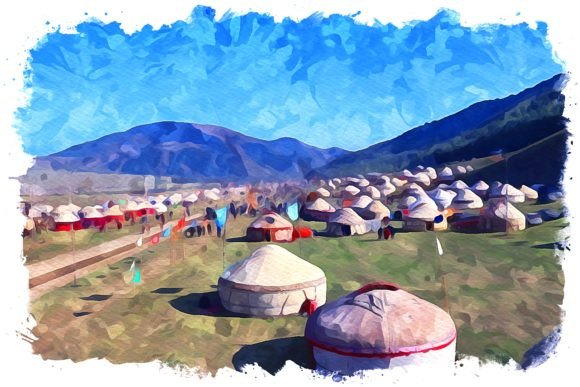
When I first opened the Kyrgyzstan Asia Watercolor design, I was struck by its gentle, painterly aesthetic. It's not a bold or flashy design — it's more like a quiet, thoughtful piece that tells a story through soft brushstrokes and muted tones. The theme feels rooted in traditional Kyrgyz culture, with subtle motifs that suggest mountain landscapes, felt crafts, and nomadic heritage. As an embroidery designer, I immediately thought of how this would translate from digital file to stitched reality — especially on fabric with a handmade or artisanal feel.
The layout is balanced, with enough negative space to keep it from feeling cluttered, yet detailed enough to hold visual interest. It's clearly designed with illustration in mind, and it carries that watercolor texture well. But the real question for me was: how would it hold up when stitched out on actual products?
Real-Life Use: From Tote Bags to Sweatshirts
I decided to test Kyrgyzstan Asia Watercolor on a few real-world items. My first project was a custom embroidered tote bag — a popular item for small shops and Etsy sellers. I used a medium-weight cotton canvas and a standard cutaway stabilizer. The design stitched cleanly, with no thread breaks or distortion. The satin and fill stitches laid down smoothly, and the watercolor texture translated surprisingly well into embroidery. It wasn’t a perfect replica of the original image, of course — embroidery has its limits — but the essence was preserved.
Next, I tried it on a sweatshirt for a boutique client who wanted a subtle, cultural touch for a limited run of unisex hoodies. The result was soft and wearable. The design scaled well without losing clarity, and the color transitions felt intentional, even though thread can’t fully mimic paint. It looked especially good on a light heather gray background, which allowed the design’s natural tones to stand out.
Where It Shines — And Where You Need Caution
Kyrgyzstan Asia Watercolor works best on products that lean into a handcrafted, artistic aesthetic. Think nursery decor, boutique apparel, handmade baby items, or even embroidered patches for cultural gift boxes. It pairs well with neutral thread palettes and earthy fabric tones. If you're selling on Etsy or at craft fairs, this design could help elevate your brand’s visual identity with a touch of authenticity and softness.
However, I noticed some limitations when using it on stretchy or thin fabrics. On a lightweight baby onesie, the design lost some of its definition due to fabric movement during stitching. I had to double-stabilize and adjust the tension slightly to keep the details crisp. On dark fabrics, the watercolor effect was harder to read — especially the lighter strokes — so I’d recommend using a white underlay or considering a contrast thread for key elements.
Also, be cautious with hoop size. I wouldn’t recommend this for very small hoops — there’s enough detail that it could get lost or distorted. Curved surfaces like caps also posed a challenge; the texture of the design made it harder to maintain stitch clarity across the rounded shape. For patches or flat items, it’s ideal — but for curved or layered garments, test carefully first.
Design Impact: More Than Just Looks
What I appreciate most about Kyrgyzstan Asia Watercolor is how it affects the overall perception of the finished product. It adds a layer of sophistication without being too busy. On a custom embroidered pillow cover, for example, it gave the piece a gallery-worthy feel. Customers responded positively, asking about the story behind the design — which is always a win for handmade sellers.
For Etsy sellers and small shop owners, this design could help differentiate your offerings in a crowded market. It’s not just a trendy graphic — it’s something with cultural depth and visual warmth. That kind of design builds customer trust and increases the perceived value of your work. Plus, it photographs well, which is crucial when showcasing your items online or in printable mockups.
Designer Notes: Practical Tips for Real Use
- Test on scrap fabric first, especially if you're using textured or stretchy materials.
- Check thread color contrast — the watercolor effect may require more defined thread choices on dark or busy backgrounds.
- Review stitch density, particularly in detailed areas, to avoid puckering or stiffness.
- Confirm hoop size compatibility — this design needs room to breathe.
- Inspect small details like fine lines or soft edges to ensure they stitch cleanly.
- Try a black and white mockup to see how the design reads without color.
- Compare light and dark fabric backgrounds to find the best match for the design’s mood.
- Use the right stabilizer — especially for stretchy or woven fabrics.
- Check licensing terms before selling finished items or digital embroidery files.
Final Thoughts: Worth the Stitch?
Yes — with a few caveats. Kyrgyzstan Asia Watercolor is not a one-size-fits-all embroidery file. It’s best suited for designers and sellers who are intentional about their brand voice and the stories they want their products to tell. If you're making custom apparel, tote bags, baby items, or personalized gifts, this design can add a unique, cultural touch that stands out.
It’s not overly technical, but it does require a bit of attention during setup. Still, once it’s stitched out properly, it elevates the final product in a way that feels authentic and handmade. For small business owners, creative entrepreneurs, and embroidery designers looking for something with both visual and emotional depth, Kyrgyzstan Asia Watercolor is definitely worth considering.