Flower Watercolor Painting: A Versatile Illustration for Bloggers and Digital Publishers
First Impressions: Soft, Artistic, and Editorial-Ready
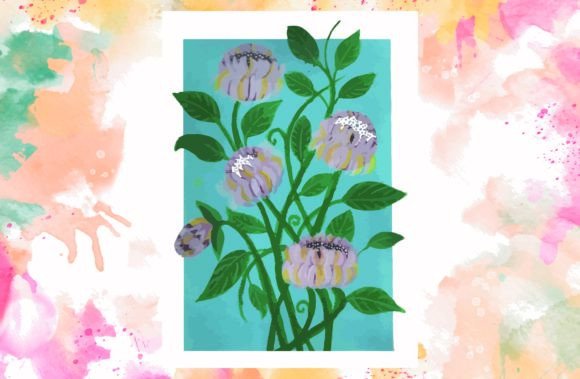
As a blog designer who regularly evaluates design assets for content creators, the Flower Watercolor Painting immediately caught my eye with its soft brushstrokes and organic textures. It feels naturally feminine, lifestyle-focused, and artistic—perfect for niches like wellness, home decor, gardening, or creative entrepreneurship. The watercolor style brings a handcrafted charm that can elevate editorial design without overpowering the message.
This illustration doesn't scream for attention but instead invites readers into a more calm, curated visual experience. It’s ideal for bloggers and digital marketers who want to create a visually cohesive brand identity that feels approachable and authentic.
Real Use Cases: From Pinterest Pins to Newsletter Headers
One of the strongest qualities of Flower Watercolor Painting is its flexibility across multiple publishing formats. Here are the top ways I’ve seen it enhance content:
- Blog Featured Images – Works beautifully as a header or background accent in lifestyle or seasonal posts.
- Pinterest Graphics – Its soft colors and organic shapes make for eye-catching vertical pins that stand out in feeds.
- Newsletter Banners – Perfect for email headers that need a gentle, inviting tone.
- Digital Guides & eBooks – Adds a decorative, editorial-quality touch to chapter openers or section dividers.
- Lead Magnet Visuals – Ideal for downloadable printables, especially in niches like journaling, self-care, or creative planning.
- Social Media Templates – Easily integrates into Canva templates for Instagram Stories or Facebook posts with a soft, artistic vibe.
It’s also a strong candidate for category thumbnails on content websites or affiliate blogs, especially when you want to maintain a consistent visual mood across different topic areas.
How Flower Watercolor Painting Boosts Content Performance
Visual content is no longer optional—it’s essential for content marketing success. The Flower Watercolor Painting contributes to better content performance in several key ways:
- Stronger First Impression – Its soft elegance creates a warm, inviting entry point to your blog or digital product.
- Clearer Visual Hierarchy – Works well as a supporting graphic that guides the reader’s eye without competing with text.
- Better Click-Through Potential – Pinterest-friendly and visually distinct enough to stand out in crowded feeds.
- Consistent Branding – Can be reused across different assets to reinforce a cohesive visual identity.
- Improved Reader Trust – High-quality illustrations signal professionalism and attention to detail.
- Stronger Visual Identity – Especially useful for bloggers and online educators who want a signature design style.
Where This Illustration Shines
Here are the best placements for Flower Watercolor Painting based on real-world testing and publishing experience:
- Hero Images – Use as a subtle background in a website header for a refined homepage or landing page.
- Article Thumbnails – Great for lifestyle or seasonal posts where a soft, artistic tone matches the content.
- Email Newsletters – Adds a decorative but not distracting visual element to headers or dividers.
- Content Upgrades – Works well in downloadable printables like checklists, worksheets, or planners.
- Social Media Previews – Ideal for Instagram or Facebook posts that need a touch of elegance without looking overly staged.
When to Use It with Caution
While Flower Watercolor Painting is versatile, it's not a one-size-fits-all solution. Be cautious when using it in these scenarios:
- Small Mobile Thumbnails – Details may get lost on tiny screens.
- Text-Heavy Blog Images – Watercolor textures can reduce readability if used as a background for headlines.
- Low-Contrast Backgrounds – May blend in too much if not paired with bold typography.
- Busy Layouts – Can clash with other visual elements in complex editorial designs.
- Corporate or Serious Professional Niches – Doesn’t convey the same authority as clean, modern design assets.
Publisher’s Checklist: Testing Flower Watercolor Painting in Real Projects
Before embedding this illustration into your content, run through these practical checks to ensure optimal performance and usability:
- Test on desktop and mobile – Make sure it scales well and remains visually appealing across devices.
- Preview as a thumbnail – Check if the main visual elements are still recognizable at small sizes.
- Place inside a real blog layout – See how it interacts with your site’s fonts, spacing, and overall design.
- Overlay headline text – Ensure it works well with your typical blog post titles and call-to-action buttons.
- Check contrast and readability – Especially important if you plan to use it with light-colored text or over other design layers.
- Try in black and white – Useful for printables or minimalist design variations.
- Pair with different fonts – Works best with script, serif, or handwritten fonts; may feel mismatched with ultra-modern sans serifs.
- Review file size – Optimize for web use to keep your site loading fast, especially if using multiple illustrations.
- Confirm commercial licensing – Always verify that you have the right to use the design in monetized content, affiliate marketing, or digital products.
Final Thoughts: A Must-Have Illustration for Creative Publishers
For bloggers, newsletter creators, and digital educators, the Flower Watercolor Painting is more than just a decorative element—it’s a graphic design asset that supports your brand’s storytelling and visual communication. Whether you're designing a digital guide, crafting a lead magnet, or creating a social media graphic, this illustration adds a layer of sophistication and warmth.
If your brand leans into lifestyle, creativity, or wellness, this is a design asset worth integrating. It’s especially valuable for small business branding and creative entrepreneurs who want to build a strong visual presence without relying on stock imagery.
In short, the Flower Watercolor Painting earns its place in your design assets toolkit—not just for its beauty, but for its ability to enhance content marketing, affiliate marketing, and editorial design across platforms.